 blog
Fruity Scented Soap: How to Choose the Right Bar
Quick Summary
Fruity scented soap is bar soap scented with fruit notes such as citrus, berry, melon or tropical fragrances, rather than neutral or floral scents. Choose a scent family you enjoy, check whether the scent comes from essential oils or fragrance, and avoid heavy scents if your skin is sensitive.
- Citrus and berry scents feel bright and suit morning routines.
- Tropical and stone fruit scents are fuller and suit evening baths.
- A label reading fruit extract does not mean the scent comes only from that extract.
- Fragrance-free bars are the safer starting point for sensitive skin.
- Embedded toys are a choking hazard for children under 3.
Table of Contents
- Fruity Scented Soap: What Makes It Different
- The Best Fruity Scented Soap Options by Scent Family
- Choosing a Fruity Scented Soap Bar: Format, Size and Ingredients
- Soap That Looks Like Fruit: Novelty Designs and What to Expect
- Kids Soap With Toy Inside: Fun Bath Time and Safety Basics
- Matching a Fruity Soap to Your Skin and Routine
- Pick Your First Fruity Scented Soap Bar
- Frequently Asked Questions
Fruity Scented Soap: What Makes It Different
Fruity scented soap is bar soap built around fruit fragrances such as citrus, berry, melon and tropical notes, rather than the clean, neutral or floral scents most people buy by default.
The difference shows up in three places. The first is the fragrance itself, which is usually built from essential oils and fragrance blends that aim for a fresh, juicy character. The second is the format: most fruity bars are sold as standalone bars, though some are packed as sets. The third is how the bar is designed, because fruit-themed soaps often lean into shape and color, sometimes looking like the fruit they smell of.
Many shoppers assume every fruity soap smells alike. In practice, the scent family matters more than the fruit name on the label.
Fruity scented soap is not the same as a fragrance-free bar. If you have sensitive skin or a condition that flares with fragrance, check the ingredient list and talk to your dermatologist before choosing a heavily scented bar.
The Best Fruity Scented Soap Options by Scent Family
Fruity scents fall into a few broad families, and picking the right family usually matters more than picking a specific fruit. Start with the family you already enjoy, then choose a bar from there.
Citrus and Berry Scents
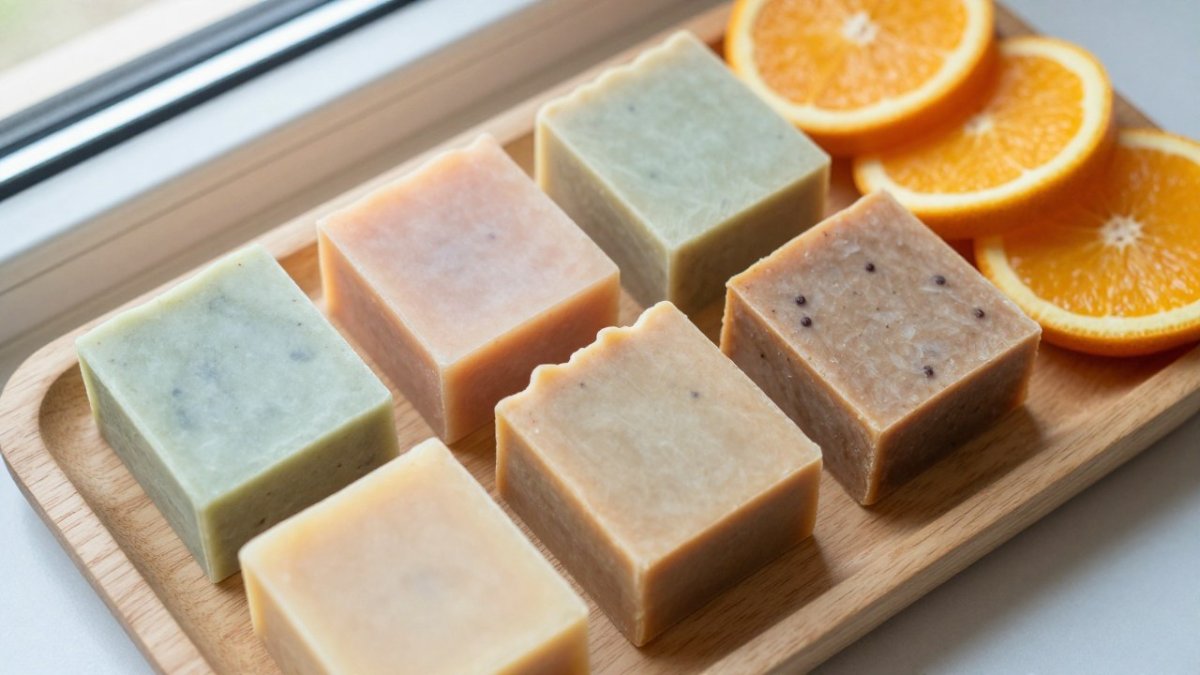
Citrus scents, such as orange, lime and grapefruit, are bright and sharp. Berry scents, including raspberry and blackberry, are richer and a little sweeter.
Best for: People who want a bright start to the day. Citrus works well for morning routines.
Skip if: You find sharp citrus notes harsh on sensitive skin or strong in small bathrooms.
Tropical and Stone Fruit Scents
Tropical scents such as mango, pineapple and coconut cream are fuller and sunnier, while stone fruit notes like peach are softer and rounder.
Best for: Relaxing evening baths and gift-giving, since the scents feel luxurious.
Skip if: You prefer a light, barely-there scent, because tropical notes project more strongly.
Choosing a Fruity Scented Soap Bar: Format, Size and Ingredients
Once you know the scent family, the next choices are format, size and ingredients. These details affect how the bar feels, how long it lasts and how easy it is to store. Most fruity soap listings online stop at a scent name and a price; the comparison below is the part shoppers usually have to assemble themselves.
Bar versus liquid fruity soap
Bar soap is a common format for fruit-forward scents, and it is the format most closely associated with handmade artisan soaps. A bar left in standing water softens and dissolves faster, so a draining dish and a dry spot between showers help it last.
Size, weight and how long a bar lasts
Bar sizes vary, and a larger bar generally lasts longer than a smaller one. Pricing and pack options depend on quantity and product, so check the FORYOURSOAP.COM website for current prices and available sizes.
Reading the ingredient list
Ingredients are where fruity soaps differ most, and labels are where shoppers get confused. Three terms matter:
- Fruit extracts and fruit powders. These are usually added for color, label appeal or a light scent contribution. They rarely carry the full fragrance on their own.
- Essential oils. These are concentrated plant oils such as orange, lemon, lime or grapefruit oil. They smell like the fruit but can be phototoxic or irritating at high levels, especially citrus oils, so a well-made bar uses them at a moderated level.
- Fragrance oils and fragrance blends. These are formulated scents that can reproduce notes like mango, peach or berry that are hard to capture with essential oils alone. They are the most common source of a strong, consistent fruit scent.
A label that says "fruit extract" does not mean the bar is scented only by that extract. Check whether the scent comes from essential oil, fragrance, or both, and check where they sit in the ingredient list.
Moisturizing and base ingredients
Shea butter and glycerin are common moisturizing ingredients in bar soaps. Goat milk and plant-based oils such as olive, coconut and palm appear in many handmade bars. Cold-process soap is made by reacting oils with lye and letting the bar cure; the cure time affects hardness and how mild the bar feels. "Natural" and "organic" are not regulated the same way for soap as for food, so treat those words as marketing until you read the actual ingredient list.
A quick comparison checklist
Before you buy, line up the bars you are considering on four points: format (bar or liquid), weight in ounces, scent source (essential oil, fragrance oil, or both), and base ingredients (shea, glycerin, goat milk, plant oils). That four-point comparison will separate two bars that look identical on a shelf but behave very differently in the shower.
The table below lists the four points to line up when comparing bars side by side.
| Factor | What to check | Why it matters |
|---|---|---|
| Format | Bar or liquid | Bars soften in standing water; liquids dispense easily |
| Size | Weight in ounces | Larger bars generally last longer |
| Scent source | Essential oil, fragrance oil, or both | Determines how strong and consistent the fruit scent is |
| Base ingredients | Shea, glycerin, goat milk, plant oils | Affects moisture and how the bar feels |
Soap That Looks Like Fruit: Novelty Designs and What to Expect
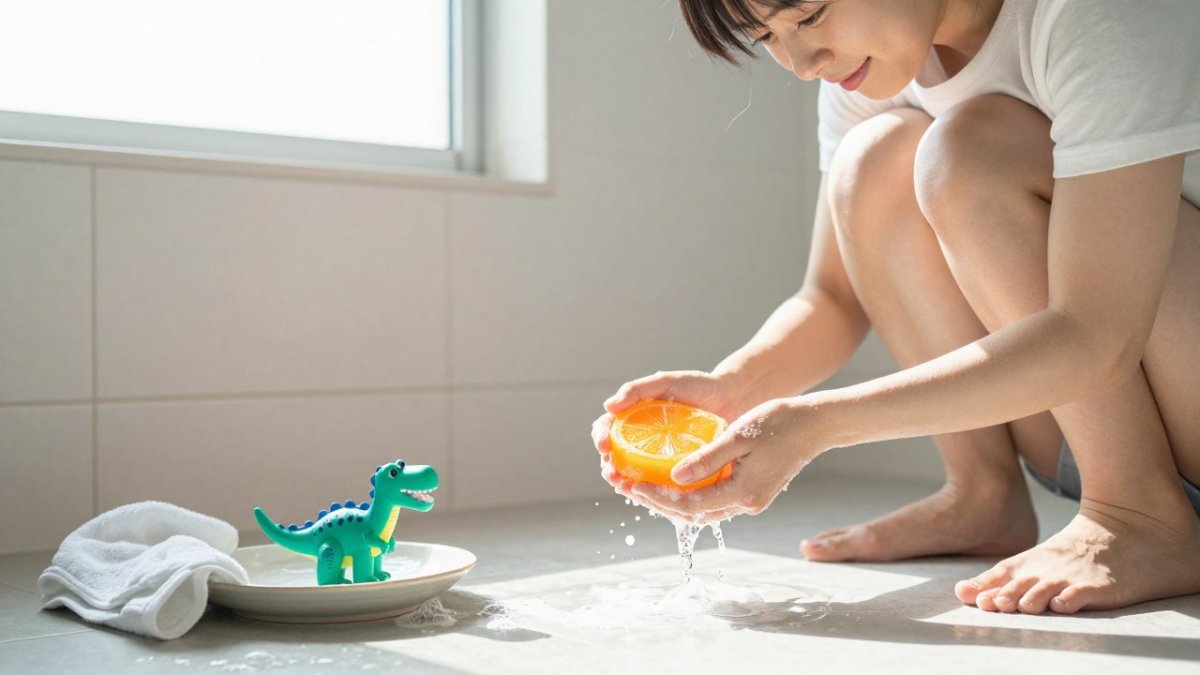
Some fruity soaps are shaped or colored to resemble the fruit they smell of, such as a citrus-shaped bar or a berry-colored slice. These novelty designs are fun to display and make appealing gifts.
Expect a few trade-offs. Detailed shapes can be more fragile than simple rectangular bars, so handle them gently and keep them on a draining dish between uses. Strong color can sometimes transfer to light towels in the first few uses, so consider a dark or dedicated hand towel.
Kids Soap With Toy Inside: Fun Bath Time and Safety Basics
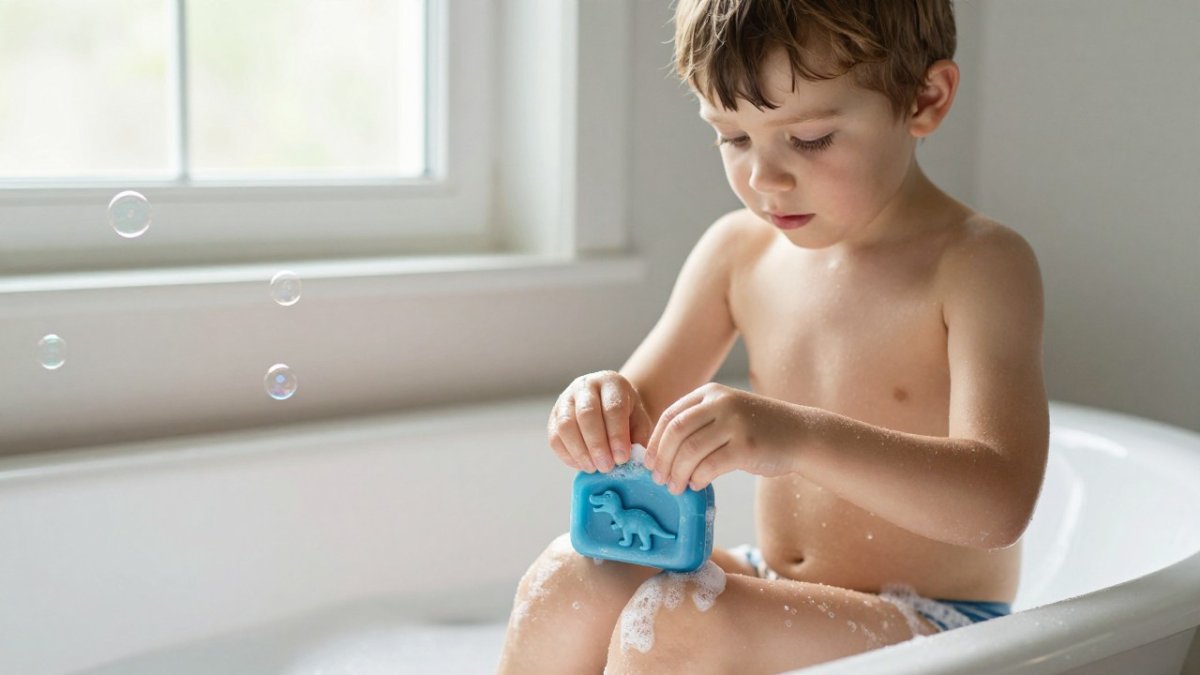
Our kids' soap line is a separate topic cluster for families. These are soaps with a small toy inside, sometimes called surprise toy soap, kids novelty soap, bath soap with toy or party favor soap. They turn bath time into a small surprise.
Safety comes first. Embedded toys are a choking hazard for children under 3. Do not give these soaps to children under 3, and keep them out of reach of toddlers. For older children, supervise bath time, especially if a child is likely to bite or chew the soap.
We now have photos of the kids' soaps on the product pages, so you can see the designs and sizing before you order. You can also browse our soap samples to see the range in person, and read more about how the format works in our soap on a rope benefits overview.
Matching a Fruity Soap to Your Skin and Routine
Skin type and routine matter more than scent family for most shoppers, and this is the part most fruity soap pages skip. The guidance below is general and not medical advice; if you have a diagnosed skin condition, follow your dermatologist's instructions over any product description.
Fragrance type and sensitive skin
Fruity bars are fragranced by definition, and fragrance is one of the most common causes of irritation in soap. The type of fragrance matters:
- Essential-oil-scented bars use concentrated plant oils. Citrus essential oils in particular can irritate sensitive skin and are sometimes phototoxic, so they are best used at moderated levels and rinsed off rather than left on.
- Fragrance-oil bars use formulated scents. They can be gentler or harsher depending on the blend, and "fragrance" on a label does not tell you which.
- Fragrance-free bars contain no added scent. If your skin reacts to scented products, this is the safer starting point, and you can add fruit character through a bath salt or a lightly scented body product instead.
Matching scent family to skin type
- Dry skin: look for shea butter, glycerin, goat milk or plant oils high in oleic acid. A softer, rounder scent such as peach or coconut cream tends to feel less sharp than a high-citrus bar.
- Oily skin: a lighter bar with citrus or berry notes often feels more comfortable, and a firmer bar dissolves less quickly in a steamy shower.
- Sensitive skin: start with a single bar, patch-test on a small area, and avoid bars that list multiple citrus essential oils high in the ingredient list.
How long the scent actually lasts
Scent strength and longevity are the claims most fruity soap pages make and least often explain. In practice, scent in a bar soap performs in three stages:
- In the wrapper. A well-wrapped bar holds its scent for months; an unwrapped bar in a humid bathroom loses top notes faster.
- During use. Citrus and berry top notes are the first to fade in the shower; heavier tropical and stone-fruit notes tend to linger longer on the skin.
- After the shower. Most bar soaps leave only a faint scent on skin once rinsed, so do not expect a fruity bar to replace a lotion or perfume. If lingering scent matters, pair the bar with a matching body product.
Watch out: storing a strongly scented fruity bar in the same cabinet as a fragrance-free bar can transfer scent over time, so keep them separated if you are sensitive to fragrance.
Bar versus liquid in your routine
A bar left in standing water softens between uses, so let it dry on a draining dish and keep it out of the direct shower spray. Liquid soap is easier to dispense at a shared sink but often has a different scent intensity and texture. You can explore our bath salts to build a bath-focused routine.
Pick Your First Fruity Scented Soap Bar
Start by choosing a scent family you already enjoy, then narrow it to one bar. A citrus bar is a safe first choice for morning routines, and a tropical or stone fruit bar suits evenings. Check the size, read the ingredient list, and confirm the skin suitability before you buy.
When you are ready, you can purchase your first bar directly from FORYOURSOAP.COM. Browse our fragrances to compare scent families, and take a few minutes to match the bar to your routine.
Frequently Asked Questions
What is the best fruity body wash?
The best fruity body wash depends on how strong you want the scent and what your skin needs. Bar soap and liquid body wash each suit different preferences, so choose the format that fits your routine. Look for a clear scent description, a short ingredient list and a fragrance level that matches your tolerance. If you have sensitive skin, test a small amount on your forearm for a day before using it all over your body.
What kind of soap looks like fruit?
Some soaps are shaped or colored to resemble fruit, such as citrus or berry designs, and they can make appealing gifts. Store detailed shapes on a draining dish rather than in standing water. Check that the scent matches the fruit shape you chose.
How do I choose a fruity scented soap for sensitive skin?
Start with a short ingredient list and look for soaps that use fewer added fragrances. Essential oils can still irritate sensitive skin, so a fruit scent is not automatically gentle. Moisturizing ingredients such as shea butter or glycerin are common in bar soaps. Patch test any new bar on a small area first, and stop using it if you notice redness, itching or stinging. If you have a skin condition, check with a dermatologist before adding a new product.
Are fruity scented soaps suitable for everyday use?
Fruity scented bar soaps are commonly used for daily washing of the body and hands. Choose a bar that suits your skin type, rinse thoroughly, and dry the bar between uses so it lasts longer. People with dry or reactive skin may prefer using a moisturizer afterward. If a soap causes irritation with regular use, switch to a fragrance-light option.