 blog
How to Choose Unique Soap Scents for Your Next Batch
Last Updated: November 8, 2026
Quick Summary
Choose unique soap scents by layering a bright top note, a floral or fruity middle note, and a lasting base note, such as driftwood and sea salt or fig and cardamom. Keep each bar to three fragrance families, match the scent to the bar's name and color, and test a small batch before committing to a full run.
- Pick one bright note and one deep note for contrast, rather than many competing notes.
- Keep each bar to no more than three fragrance families.
- Match the scent to the bar's name and color so buyers are not confused.
- Test the top note first, because a weak opening sniff will not be saved by the base.
- Measure fragrance by weight and label every batch with the scent name and date.
Table of Contents
- Why Unique Soap Scents Stand Out on the Shelf
- A Curated List of Unusual Soap Scents
- Reading Top, Middle and Base Notes in Soap Fragrance
- Best Soap Scent Combinations and Blend Ratios
- Using Unique Soap Scents for Soap Making
- Kids Soap With Toy Inside: A Safe Novelty Option
- Picking Your Next Scent From Here
- Frequently Asked Questions
Why Unique Soap Scents Stand Out on the Shelf
Unique soap scents are the fastest way to make a bar stand out. Shoppers often pick soap by smell before they read a label, so a distinctive fragrance can turn a casual glance into a purchase. At FORYOURSOAP.COM, we see this every day as we build our handmade collection.
Most soap shoppers reach for the familiar: lavender, vanilla, and fresh linen. These scents work, but they blend together on a crowded shelf. A bar with a clear, unusual profile gives the buyer something to remember.
Here is what makes a scent memorable:
- Contrast: a bright citrus paired with a deep woody base
- Story: a scent tied to a place, season, or memory
- Balance: a fragrance that stays pleasant from first sniff to last
The goal is not to be strange for its own sake. It is to pick a scent that feels intentional, pleasant, and easy to describe to a friend.
A Curated List of Unusual Soap Scents
Ready to try something beyond the usual? These unusual scent ideas are a good starting point for your next batch.
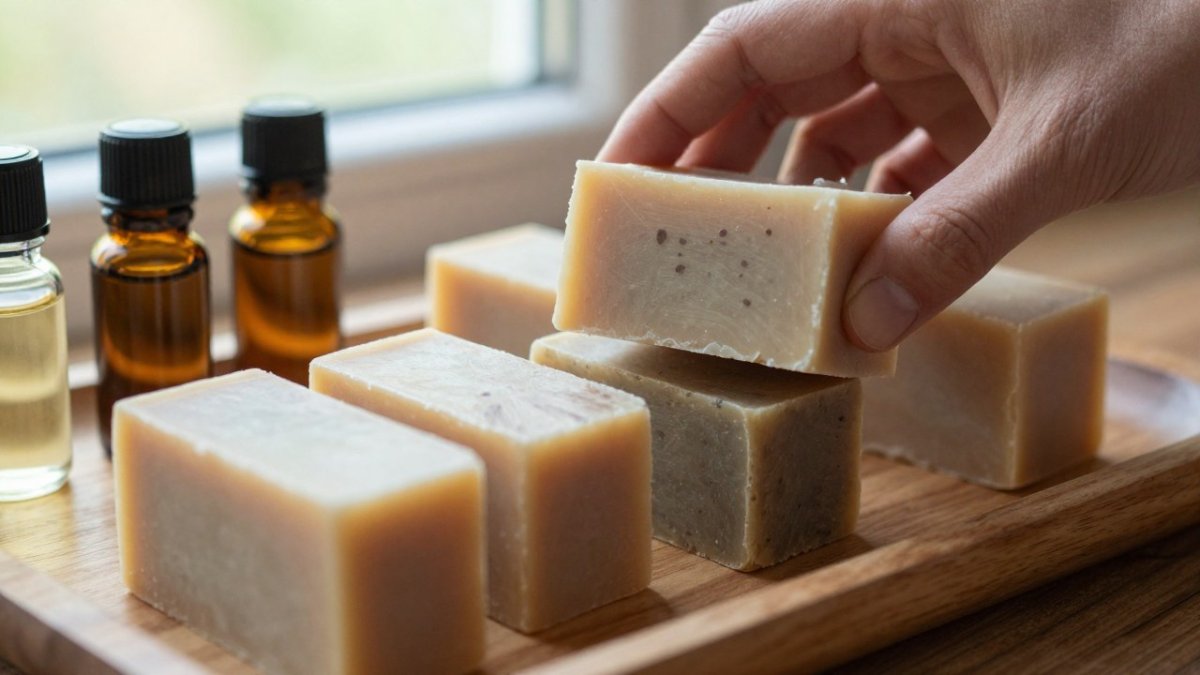
- Driftwood and sea salt: Top, ozone and sea spray; middle, dry driftwood and a hint of kelp; base, cedar and soft musk. The mineral top note keeps the woody base from feeling heavy, which is why this pairing reads clean rather than smoky.
- Fig and cardamom: Top, green fig leaf; middle, ripe fig and warm cardamom; base, sandalwood and a trace of vanilla. The spice lifts the fruit so it does not smell like jam.
- Black pepper and orange peel: Top, bright orange zest; middle, cracked black pepper and a little clove; base, vetiver and tonka. The citrus burns off first, leaving a warm, dry finish that lasts through the bar.
- Green tea and bergamot: Top, bergamot and lemon; middle, green tea and a whisper of jasmine; base, white musk and light woods. This is the calmest option on the list and the easiest to blend for beginners.
- Pear and amber: Top, crisp pear; middle, pear blossom and a touch of apple; base, amber, benzoin, and vanilla. The resinous base is what makes the fruit smell grown-up instead of candy-like.
- Tomato leaf and basil: Top, green tomato leaf; middle, fresh basil and a little mint; base, moss and cedar. A garden scent that smells like a summer afternoon rather than a salad.
- Smoked vanilla and leather: Top, a wisp of smoke; middle, vanilla and tonka; base, soft leather and oud. Warm and unexpected, and a strong choice for a unisex bar.
- Rhubarb and rose: Top, tart rhubarb; middle, rose and pink pepper; base, white musk and patchouli. The tart top note keeps the floral heart from turning powdery.
- Cardamom and coffee: Top, crushed cardamom; middle, roasted coffee and a little cocoa; base, amber and sandalwood. Best for a kitchen or morning bar where a strong scent is welcome.
- Fig leaf and coconut: Top, green fig leaf; middle, coconut milk and a hint of lime; base, vanilla and light musk. A tropical scent that avoids the sunscreen cliché.
A few rules of thumb when you pick from this list:
- Contrast beats complexity. One bright note against one deep note is usually more memorable than five notes fighting for attention.
- Keep it to three fragrance families per bar. More than that and the scent reads as muddled rather than unusual.
- Match the scent to the bar's color and name. A bar called "Driftwood" that smells like candy confuses the buyer before they even lather up.
- Test the top note first. If the opening sniff does not grab you, the base notes will not save it.
Browse our Soap Samples 1 to see how these scent families come across in finished bars. For a full look at what we offer, explore our Fragrances range.
Here is a quick reference for the scent pairings covered above, showing the top, middle and base notes of each.
| Scent | Top note | Middle note | Base note |
|---|---|---|---|
| Driftwood and sea salt | Ozone and sea spray | Dry driftwood, kelp | Cedar and soft musk |
| Fig and cardamom | Green fig leaf | Ripe fig, warm cardamom | Sandalwood, vanilla |
| Black pepper and orange peel | Bright orange zest | Cracked black pepper, clove | Vetiver and tonka |
| Green tea and bergamot | Bergamot and lemon | Green tea, jasmine | White musk, light woods |
| Pear and amber | Crisp pear | Pear blossom, apple | Amber, benzoin, vanilla |
| Tomato leaf and basil | Green tomato leaf | Fresh basil, mint | Moss and cedar |
| Smoked vanilla and leather | Wisp of smoke | Vanilla, tonka | Soft leather and oud |
| Rhubarb and rose | Tart rhubarb | Rose, pink pepper | White musk, patchouli |
Reading Top, Middle and Base Notes in Soap Fragrance
Fragrance is layered. Top notes hit first and fade fastest, such as citrus, mint, and herbs. Middle notes, like florals and fruits, form the heart of the scent. Base notes, including woods, vanilla, and musks, last longest and anchor the whole blend.
A balanced soap usually draws from all three layers. When the top notes are the only thing you smell, the scent will feel thin once the first minute passes.
Understanding how essential oils behave in soap helps you pick the right notes. Our guide to Essential oils in soap: Discover the skin and wellness benefits of essential oils in handmade soap, from calming lavender to antimicrobial tea tree. Learn explains more about how these oils shape the final scent.
Start with a base note you love, then add a middle note and a light top note. This structure keeps the bar smelling good from the first use to the last sliver.
Best Soap Scent Combinations and Blend Ratios
Good blends follow simple ratios, but the ratio should shift with the scent family. A common starting point is to keep the total fragrance load within the range your soap recipe and supplier recommend.
Some reliable pairings to test, with the reason each one works:
- Lavender with cedarwood and a touch of vanilla, the floral heart is grounded by cedar and softened by vanilla, so it reads calm rather than sharp.
- Orange with cinnamon and sandalwood, bright citrus on top, warm spice in the middle, dry wood at the base; a classic cold-weather blend.
- Peppermint with eucalyptus and oakmoss, two cooling top notes over an earthy base, which keeps the mint from smelling like toothpaste.
- Honey with almond and a little amber, sweet middle notes anchored by resin, so the bar smells rich instead of sugary.
- Bergamot with neroli and white musk, a light, clean blend that holds up well in melt-and-pour.
- Patchouli with sweet orange and clove, the earthy base is lifted by citrus and warmed by spice; a strong unisex option.
How the method changes the blend:
- Cold process: the lye and the heat of saponification can burn off top notes, so lean slightly heavier on middle and base notes and expect the scent to mellow over the four-to-six-week cure. Some fragrance oils accelerate trace, so have your mold ready before you add fragrance.
- Hot process: the additional heat drives off more of the volatile top notes, so citrus-forward blends often need a higher total load or a fold-in after the cook. Watch for discoloration in vanilla-heavy fragrances.
- Melt-and-pour: the gentlest method for fragrance, with little loss, but the base has a lower threshold before scent becomes overpowering. Start at the low end of the supplier's usage rate and add in small increments.
Always test a small batch first. Keep a batch log with the date, the method, and the exact weights, so you can repeat your best results.
Using Unique Soap Scents for Soap Making
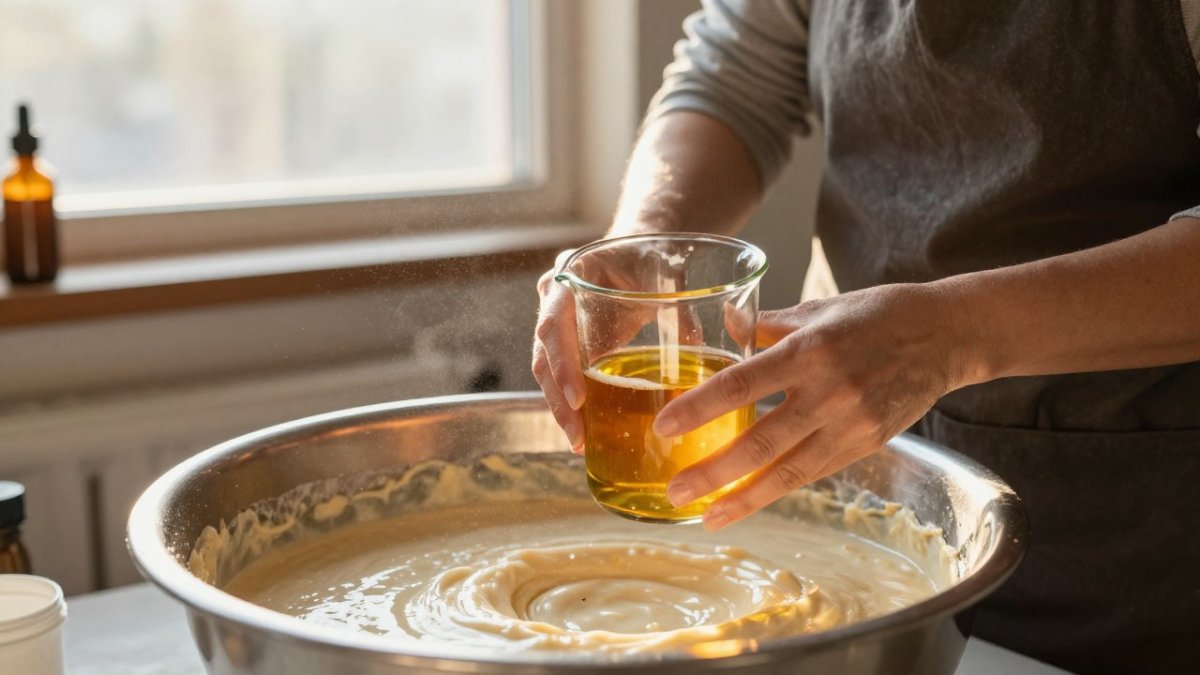
Whether you use cold process or melt-and-pour, the scent you choose should suit your method.
Check your supplier's documentation for usage rates and whether a fragrance is suitable for your method. Follow those guidelines closely, and keep a record of each batch so you can repeat your best results.
Keep these points in mind:
- Measure fragrance by weight, not by eye
- Label every batch with the scent name and date
- Store fragrance oils away from heat and light
- Note any skin sensitivity a customer reports
For a deeper look at the fragrance collection we stock for makers and shoppers alike, see our Fragrances page.
Kids Soap With Toy Inside: A Safe Novelty Option
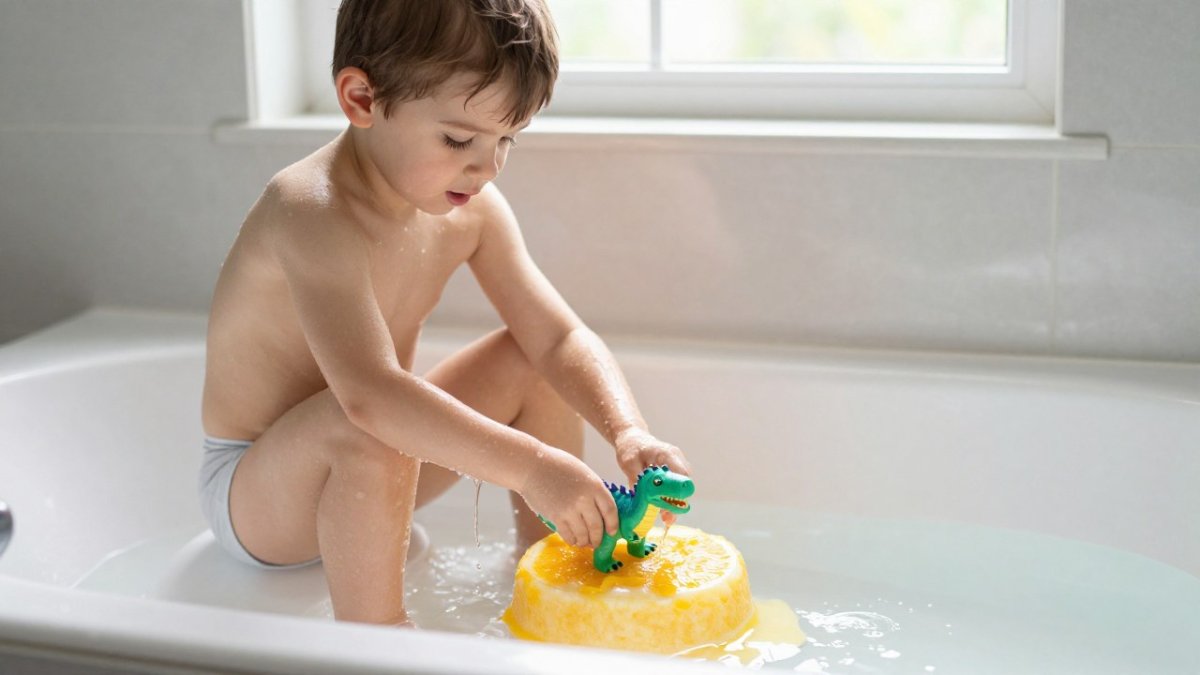
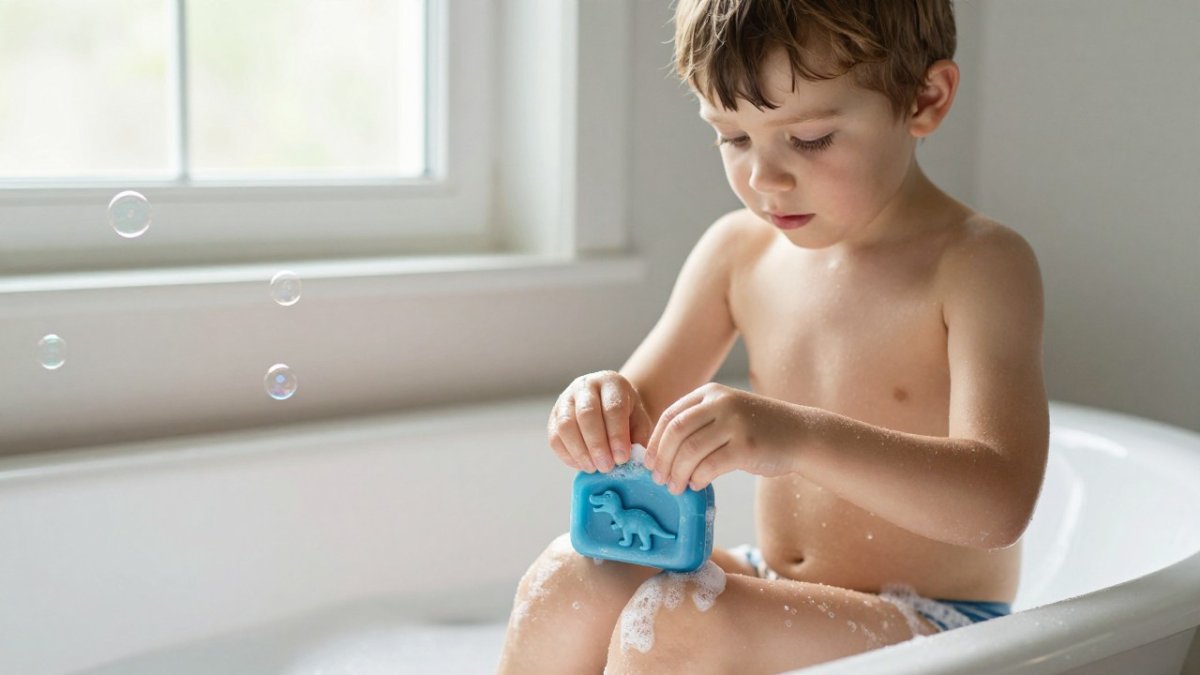
Kids soap with a toy inside is a fun choice for bath time, party favors, and surprise gifts. Many families search for surprise toy soap, kids novelty soap, bath soap with toy, or party favor soap because these bars turn washing up into a small reward.
Safety first: an embedded toy is a choking hazard for children under 3. Choose age-appropriate designs for older kids, supervise bath time, and remove the toy once the soap is used up. Always check that the toy is securely sealed and too large to swallow.
We now have photos of our kids soaps so you can see the designs before you order. You can view them on our Soap Gift Basket product page.
Picking Your Next Scent From Here
Choosing a unique soap scent comes down to three questions: what layers you want, how the scent will feel, and whether it suits your method or your buyer. Start with a bold pairing, test it in a small batch, and adjust from there.
When you are ready to choose, Purchase is the place to pick your next scent and place your order.
Frequently Asked Questions
What are some good scents for soap?
Lavender, citrus blends such as orange and grapefruit, and woody notes like sandalwood are reliable starting points because they are widely liked and hold well in cold-process and melt-and-pour soap. Start with a familiar scent in a small test batch, then move to more distinctive options such as fig, driftwood or amber once you know how your fragrance oil performs in your recipe. Keep notes on the usage rate you used so you can repeat results.
What are some unique soap scents for soap making?
Less common choices include fig, pear, driftwood, cotton, and musky amber blends. These work well when paired with a stronger base note such as sandalwood or vanilla, which helps the lighter top notes last. Check the supplier's technical notes before using any fragrance oil in soap, since some scents accelerate trace or discolor over time.
How do I choose a soap scent that lasts?
Look for scents with strong base notes, such as woody, musky or resinous families, because they linger longer than bright citrus top notes. Use a fragrance usage rate recommended by your fragrance supplier, and test a finished bar after it has cured for several weeks. Scent retention also depends on how the bar is stored, so keep finished soap in a cool, dry place away from direct sunlight.
Are toy-in-soap products safe for young children?
Soaps with a toy inside are a choking hazard for children under 3, so they should only be given to older children and kept away from younger siblings. Supervise bath time, check that the toy is fully enclosed and undamaged before use, and follow the age guidance printed on the packaging. Parents can review the product photos on FORYOURSOAP.COM before choosing a kids novelty soap.