 blog
Unscented Soap for Eczema Relief: A 2026 Guide
Table of Contents
- Why Unscented Soap Matters for Eczema-Prone Skin
- Best Soap for Eczema: What to Look For
- Soap Ingredients to Avoid for Eczema
- Bar Soap vs. Body Wash for Eczema: Which Format Works Better
- Eczema-Friendly Hand Soap for Daily Protection
- How to Patch Test and Introduce New Soap Safely
- Kids' Soaps with Toys: Safety and Enjoyment for Young Skin
- Practical Tips for Daily Cleansing with Eczema
- Frequently Asked Questions
Last Updated: October 18, 2026
Why Unscented Soap Matters for Eczema-Prone Skin
Unscented soap for eczema relief is fundamentally different from regular soap. When your skin barrier is compromised by eczema, fragrance becomes a trigger, not a luxury. The difference between fragrance-free and unscented is critical, and most people get it wrong.
Eczema causes inflammation, itching, and redness because the skin barrier isn't functioning properly. When you add fragrance to that equation, you're introducing compounds designed to penetrate skin and create a sensory experience. For eczema-prone skin, that's a direct path to flare-ups.
The real challenge isn't finding soap, it's finding soap that won't make things worse. Most commercial options contain fragrance, sulfates, or harsh detergents that strip away natural oils. Your skin needs those oils to heal. Unscented soap for eczema doesn't just avoid irritants; it actively supports your skin barrier through gentle cleansing and moisturizing ingredients.
Best Soap for Eczema: What to Look For
When shopping for the best soap for eczema, focus on two things: what's in the soap and what isn't. The absence of fragrance is non-negotiable, but ingredient quality separates products that help from those that just don't harm.
Look for soaps labeled fragrance-free (not unscented, more on that distinction below). Check the ingredient list for gentle cleansing agents, moisturizing compounds like shea butter or coconut oil, and soothing ingredients like aloe vera. Avoid anything with sulfates, which strip natural oils from skin. Bar soaps tend to be gentler than body washes because they contain fewer preservatives and emulsifiers.
The best soap for eczema is one that cleanses without stripping. Your skin needs to retain moisture, and that happens when you use products that respect your skin barrier rather than attack it.
Fragrance-Free vs. Unscented: The Critical Difference
This distinction matters more than most guides acknowledge. Fragrance-free means no fragrance compounds were added to the formula. Unscented means fragrance was added but then masked with other chemicals, so you can't smell it. For eczema-prone skin, fragrance-free is the only safe choice.
Unscented products often contain fragrance compounds that irritate skin even though you can't smell them. The chemical is still there, triggering inflammation and itching. Fragrance-free products eliminate this risk entirely by not adding fragrance in the first place.
When you're reading labels, look for "fragrance-free" explicitly. If you see "unscented" or "no added fragrance," dig deeper into the ingredient list. Fragrance-free is always the safer bet for eczema relief.
Key Ingredients That Support Sensitive Skin
Certain ingredients actively help eczema-prone skin recover. Shea butter and cocoa butter are natural emollients that lock moisture into skin. Aloe vera has mild anti-inflammatory properties that can calm redness and itching (pubmed.ncbi.nlm.nih.gov). Coconut oil provides a protective layer without clogging pores.
Look for soaps that include at least one of these ingredients as a primary component, not a trace amount listed last on the label. The order of ingredients matters, items listed first make up the bulk of the formula.
Glycerin is another ally for sensitive skin. It's a humectant, meaning it draws moisture from the air into your skin (pubmed.ncbi.nlm.nih.gov). Many gentle, eczema-friendly soaps include glycerin specifically for this reason.
Soap Ingredients to Avoid for Eczema
Certain ingredients are nearly guaranteed to trigger eczema flare-ups. Sulfates like sodium lauryl sulfate are detergents designed to create lather and remove oil. They're extremely effective at both, which is exactly the problem for eczema-prone skin. Sulfates strip away the protective oils your skin barrier needs.
Artificial fragrances, essential oils, and fragrance compounds of any kind belong on the avoid list. Even "natural" essential oils can irritate sensitive skin. Phthalates, parabens, and other preservatives may also trigger reactions in people with eczema.
Dyes and colorants serve no purpose in soap except appearance. They add no cleansing or moisturizing benefit and introduce unnecessary irritants. Skip any soap that's dyed or heavily pigmented if you have eczema-prone skin.
Sodium hydroxide (lye) is used to make bar soap, but excessive amounts or improper saponification can leave the finished product too alkaline. A well-made bar soap has been properly cured and neutralized, but cheap soaps sometimes cut corners.
Bar Soap vs. Body Wash for Eczema: Which Format Works Better
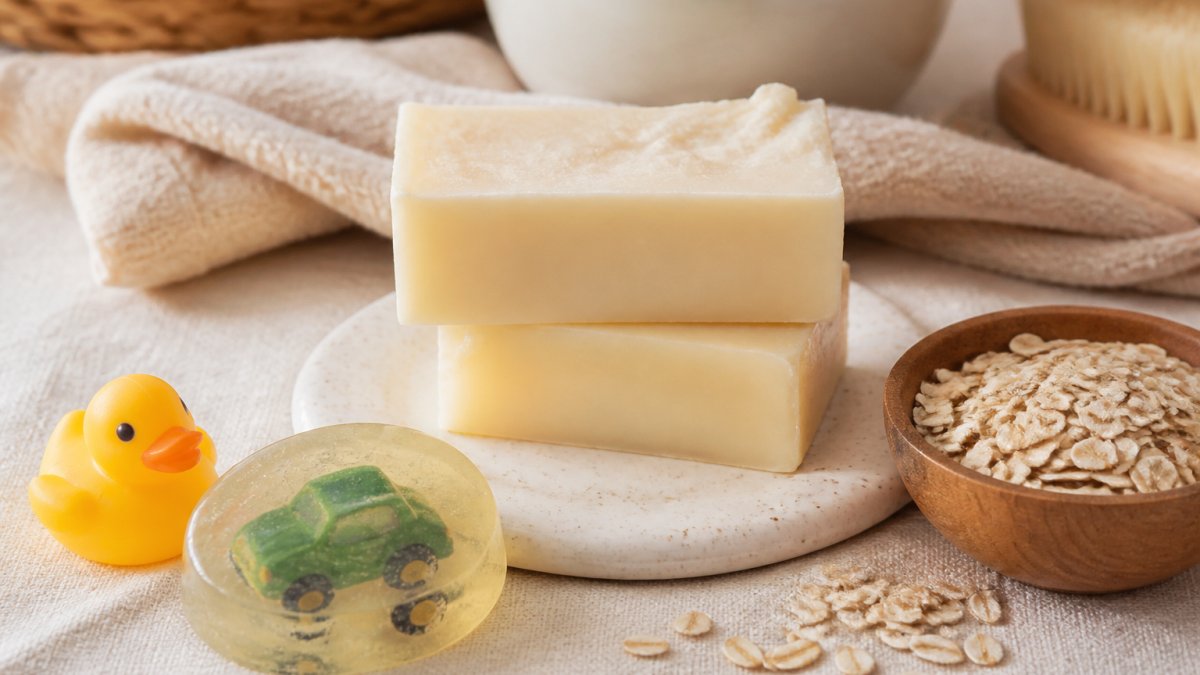
Bar soap typically outperforms body wash for eczema-prone skin. Bar soaps contain fewer preservatives and emulsifiers than liquid body washes, which need these additives to maintain consistency and prevent bacterial growth. Fewer ingredients mean fewer potential irritants.
Bar soap also tends to be more concentrated, so a small amount goes a long way. You use less product per wash, which means less exposure to whatever compounds are in the formula. For sensitive skin, this matters.
Body wash isn't inherently bad, but it requires more scrutiny. Many body washes contain sulfates, fragrance, and preservatives that bar soaps don't need. If you prefer body wash, look for formulas specifically labeled for sensitive or eczema-prone skin, and verify they're fragrance-free and sulfate-free.
The texture and lather of bar soap also feels different. Some people find the simplicity reassuring, you're literally just using soap and water, nothing else. That psychological aspect can matter when you're dealing with chronic skin irritation.
Eczema-Friendly Hand Soap for Daily Protection
Hand soap deserves special attention because you wash your hands constantly. Every wash is an opportunity to either support your skin barrier or damage it. Eczema-friendly hand soap needs to be even more gentle than body soap, since hands are washed more frequently and are often exposed to irritants throughout the day.
Look for hand soaps that are fragrance-free, sulfate-free, and formulated with moisturizing ingredients. Your hands are exposed to more environmental stress than most of your body, cold, dry air, frequent water exposure, and contact with cleaning products. A good eczema-friendly hand soap compensates by being extra nourishing.
Keep a bar of gentle hand soap at every sink you use regularly. This consistency matters. Switching between different soaps throughout the day increases your risk of triggering a flare-up. Your skin thrives on routine with products it knows won't irritate it.
How to Patch Test and Introduce New Soap Safely
Before committing to a new soap, patch test it on a small area of skin. This simple step prevents a full-body flare-up caused by a product that doesn't work for you.
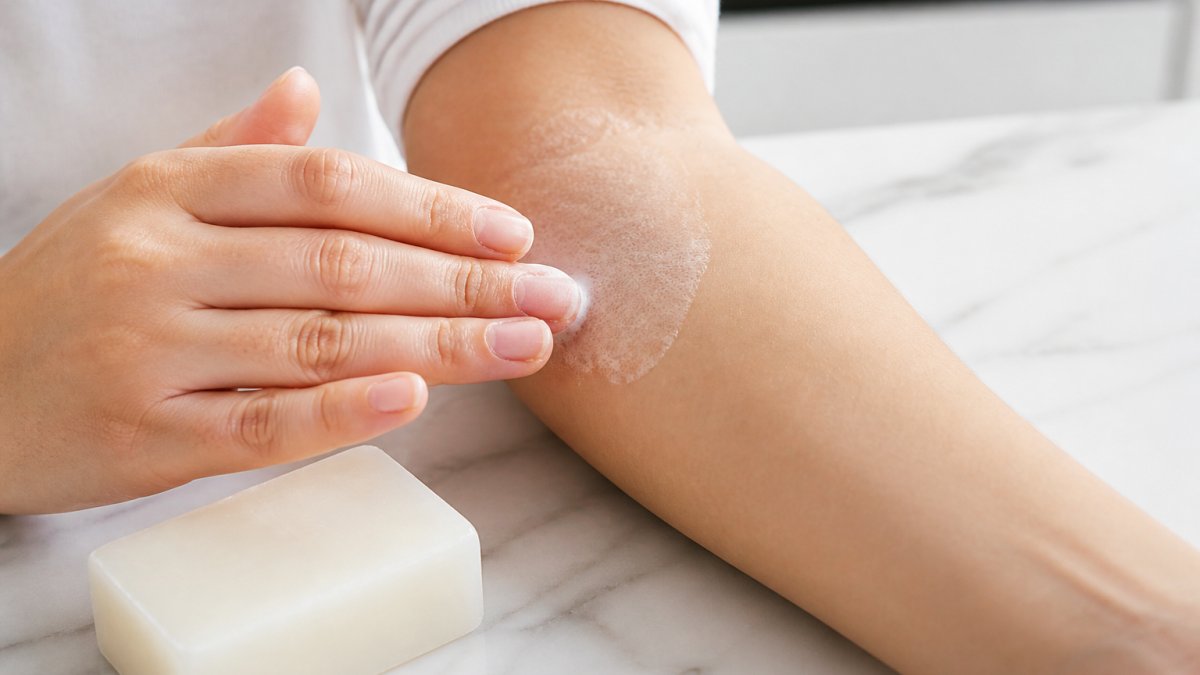
Choose a small area on your inner forearm or behind your ear, somewhere less visible if a reaction occurs. Wet the area with lukewarm water, apply a small amount of the new soap, rinse thoroughly, and pat dry gently.
Watch for redness, itching, burning, or any irritation. If you see a reaction, stop immediately and switch back to your regular soap. If the patch test area remains calm, the soap is likely safe for you to use more broadly.
When you do start using the new soap on your whole body, use it for just one or two washes before gradually incorporating it into your full routine.
Kids' Soaps with Toys: Safety and Enjoyment for Young Skin
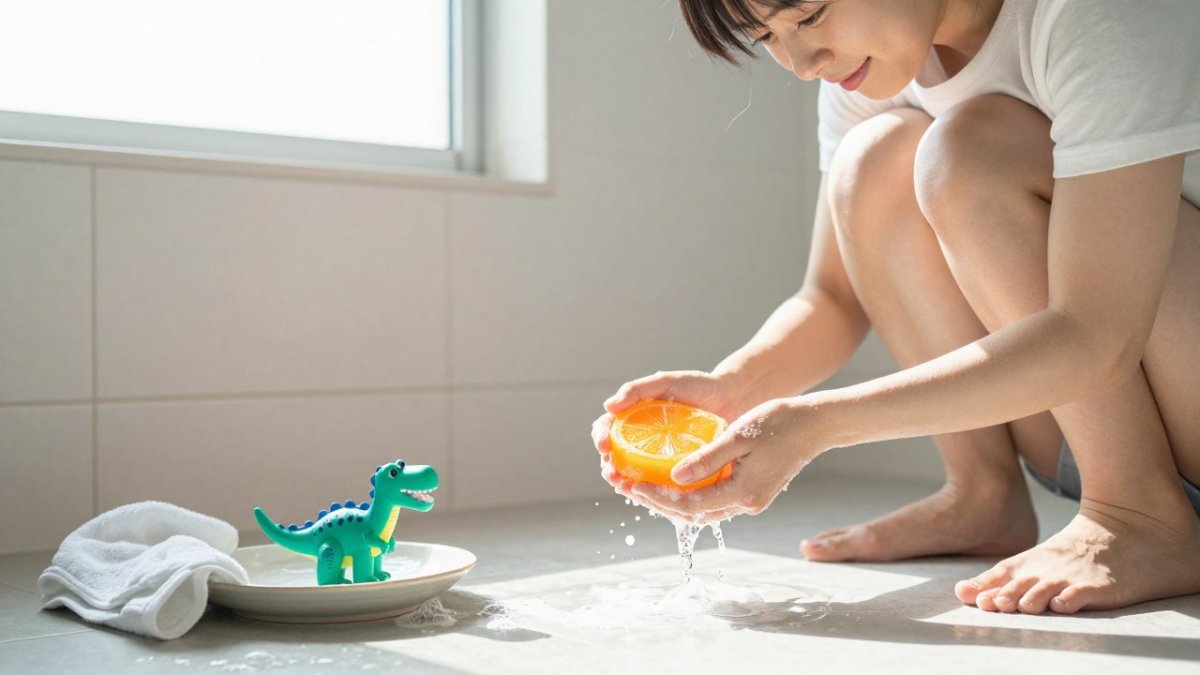
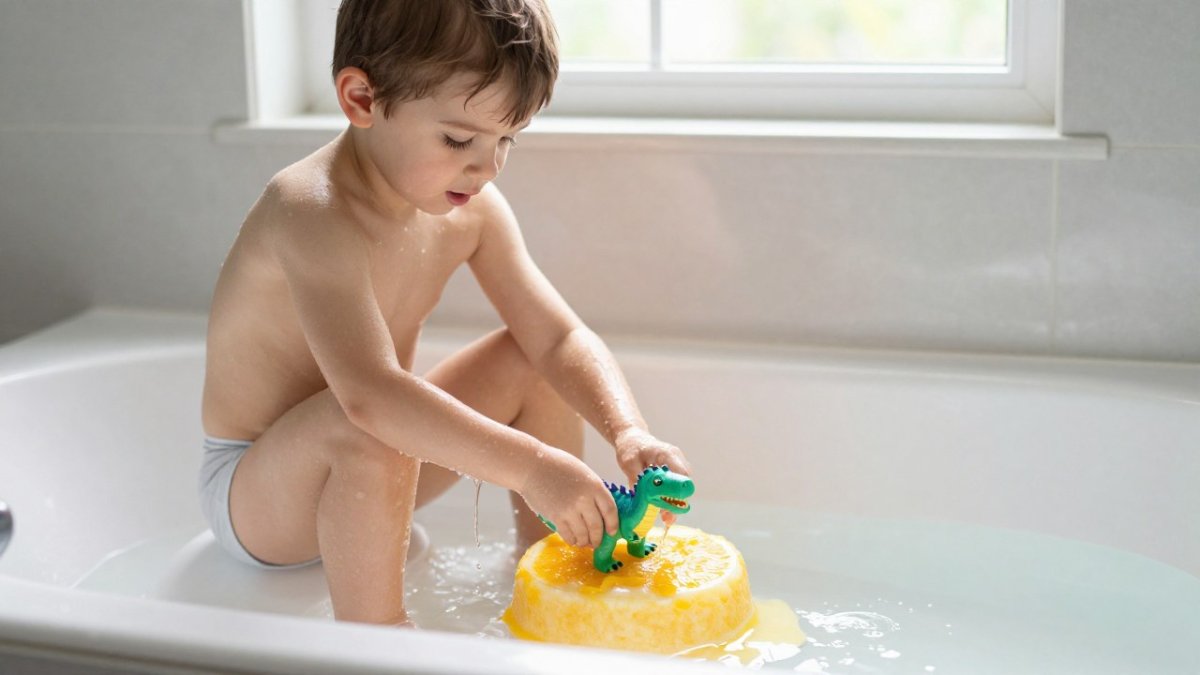
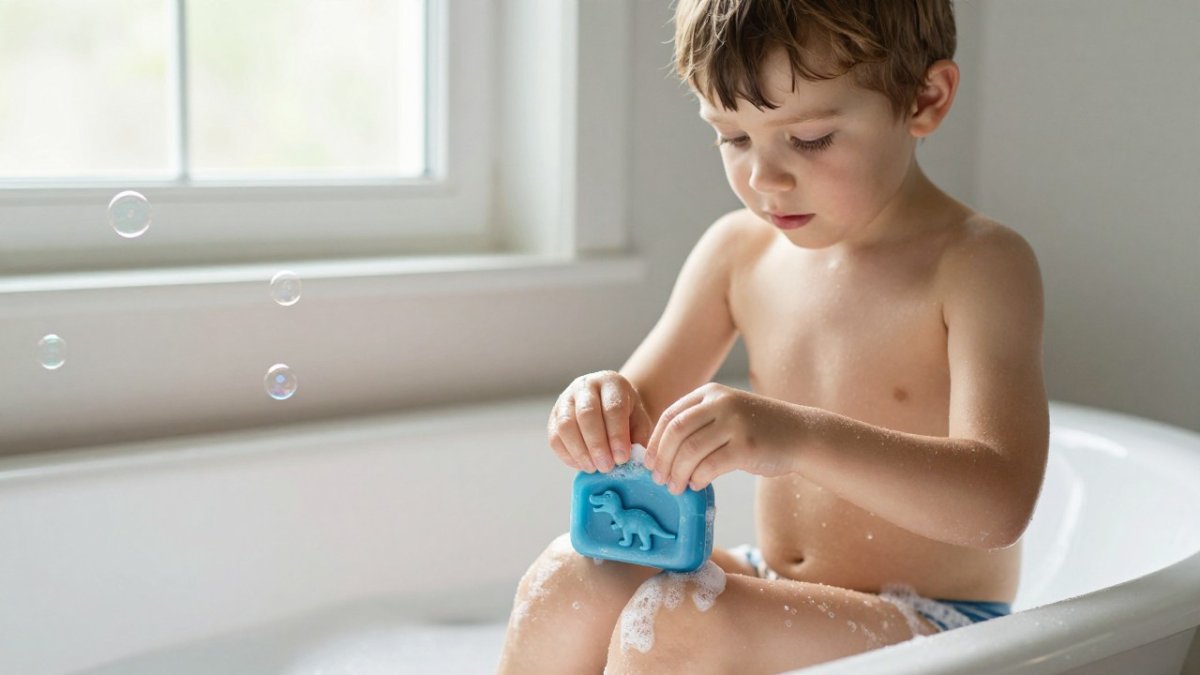
Bath time can be a source of stress for kids with eczema-prone skin, but it doesn't have to be. Kids' soaps with toys inside combine gentle cleansing with the excitement of discovery, making washing fun while protecting sensitive skin.
At FORYOURSOAP.COM, we've developed a line of kids' soaps with toys inside that are formulated specifically for young, delicate skin. These are fragrance-free, sulfate-free, and made with gentle ingredients.
Important Safety Note: Embedded toys in bath soap are a choking hazard for children under 3 years old (Small Parts Ban and Choking Hazard Labeling). Kids' soaps with toys are designed for children ages 3 and up.
Parents often ask whether surprise toy soap is just a gimmick. The real value is behavioral: kids who are excited about their soap actually use it.
Bath soap with toy inside doesn't compromise on skincare. Each bar is made with attention to ingredient quality. Party favor soap and kids' novelty soap options make great gifts for families managing eczema in young children.
Practical Tips for Daily Cleansing with Eczema
Cleansing technique matters as much as product choice. Lukewarm water is your friend, hot water strips skin and triggers eczema flare-ups. Wash with warm water that feels comfortable but isn't hot.
Use minimal soap. You don't need much to cleanse effectively. A small amount of unscented soap for eczema relief is enough for your entire body.
Rinse thoroughly. Any soap residue left on skin can trigger irritation. Rinse with lukewarm water until the water runs clear and you can't feel any soap film on your skin.
Pat dry gently instead of rubbing. Your skin is already compromised by eczema; aggressive drying causes additional irritation. Use a soft towel and pat until mostly dry, leaving skin slightly damp.
Moisturize immediately after washing while skin is still damp. This is when your skin barrier is most receptive to moisture. Apply moisturizer within 3 minutes of finishing your wash.
Wash your hands frequently but strategically. You can't avoid handwashing, but you can minimize irritation by using eczema-friendly hand soap and moisturizing after every wash.
| Cleansing Step | Best Practice | Why It Matters |
|---|---|---|
| Water temperature | Lukewarm, not hot | Hot water strips protective oils |
| Soap amount | Small amount, minimal lather | Less product = fewer irritants |
| Rinsing | Thorough until residue-free | Soap residue triggers flare-ups |
| Drying | Gentle patting, not rubbing | Aggressive drying irritates skin |
| Moisturizing | Within 3 minutes of washing | Damp skin absorbs moisture better |
| Frequency | As needed, but strategic | Excessive washing dries skin further |
Finding the right unscented soap for eczema relief transforms your daily routine from a source of irritation into a healing ritual. At FORYOURSOAP.COM, we offer a curated selection of handmade artisan soaps and specialty bath products designed to elevate your self-care routine.
Frequently Asked Questions
Is unscented soap good for eczema-prone skin?
Yes, unscented soap is often a better choice for eczema-prone skin because it eliminates synthetic fragrances and fragrance compounds that commonly trigger irritation and flare-ups. Unscented formulas reduce the number of potential irritants your skin encounters during cleansing. However, unscented does not automatically mean eczema-safe, you still need to check the full ingredient list for other potential irritants like sulfates, dyes, or harsh detergents. Pairing an unscented soap with proper moisturizing afterward strengthens your skin barrier and helps manage dryness.
What ingredients should you avoid in soap if you have eczema?
Avoid sulfates (sodium lauryl sulfate and sodium laureth sulfate), synthetic fragrances, artificial dyes, parabens, phenoxyethanol, and essential oils in high concentrations. These strip the skin barrier, trigger inflammation, or cause direct allergic reactions. Also limit lanolin and cocamidopropyl betaine if you have known sensitivities. Read the full ingredient list rather than relying on marketing claims like 'natural' or 'gentle.' When in doubt, patch test a new product on a small area of skin before using it on your entire body.
Is fragrance-free soap better than unscented soap for sensitive skin?
Fragrance-free and unscented are often used interchangeably, but fragrance-free is technically the safer choice for eczema. Fragrance-free means no fragrance compounds were added at all. Unscented can mean fragrance was added but then masked with other chemicals, so trace fragrance compounds may still be present. For eczema-prone skin, look for products explicitly labeled fragrance-free and check that the ingredient list does not include fragrance, parfum, or essential oils. This eliminates one major category of irritants from your cleansing routine.
Should you use bar soap or body wash for eczema-prone skin?
Bar soap and body wash can both work for eczema if formulated correctly, the format matters less than the ingredients and how you use them. Bar soaps are often more concentrated and may require less product, reducing waste and cost. Body washes are easier to control the amount you use and rinse thoroughly. Choose whichever format appeals to you, then verify the ingredient list for irritants. Use lukewarm water (not hot), apply gently, rinse thoroughly, and moisturize immediately after cleansing. The most important factor is consistent, gentle technique rather than format alone.