 Ultimate guide
Natural Soap Ingredients to Avoid: A 2026 Guide
Table of Contents
- Why Ingredient Labels Matter for Soap
- Soap Ingredients to Avoid: The Complete List
- Soap Ingredients to Avoid for Sensitive Skin
- Soap Ingredients to Avoid for Eczema
- Essential Oils in Soap: Side Effects and Safety
- Titanium Dioxide in Soap: What You Need to Know
- How to Read a Soap Label and Spot Real Natural Soap
- What to Look For in Truly Natural Soap
- Frequently Asked Questions
Last Updated: October 20, 2026
Why Ingredient Labels Matter for Soap
Understanding what's in your soap is the first step toward healthier skin. At FORYOURSOAP.COM, knowing which ingredients to avoid can mean the difference between a luxurious cleanse and an irritating one. Ingredient quality and formulation vary dramatically across brands.
A soap label lists components that touch your skin for minutes each wash. Nourishing oils, natural butters, and essential oils can enhance your ritual; others strip moisture, trigger allergies, or irritate sensitive skin. Ingredient names often don't match expectations, and marketing language like "natural" or "gentle" doesn't always reflect what's inside the bar.
Spotting problematic ingredients isn't complicated. This guide walks you through the most common soap ingredients to avoid, explains why they're problematic, and shows you how to identify them on labels.
Soap Ingredients to Avoid: The Complete List
Ingredients to avoid fall into several categories: harsh surfactants that strip natural oils, synthetic fragrances that trigger reactions, antimicrobial agents that disrupt skin health, and preservatives that may irritate sensitive skin. Reactions vary, but these show up most often in consumer complaints and dermatological concerns.
Sodium Lauryl Sulfate and Harsh Surfactants
Sodium lauryl sulfate (SLS) is a surfactant that makes soap lather and removes dirt. It's effective, which is why it's been used for decades in everything from shampoos to toothpaste, but it's also very harsh. SLS strips the natural oils your skin needs to maintain its protective barrier, leaving many people with tight, dry, or irritated skin.
Other harsh surfactants include sodium laureth sulfate (SLES), slightly gentler but still problematic for sensitive skin, and cocamidopropyl betaine, a coconut-derived surfactant that sounds natural but can be irritating. These are cheap and effective, which is why mass-market soaps rely on them.
If you see "sodium lauryl sulfate" or "sodium laureth sulfate" in the first few ingredients, that soap is likely to be drying. Look instead for soaps made with gentler surfactants or traditional soap bases that don't require these additives.
Synthetic Fragrance and Fragrance Blends
Fragrance is where many soaps hide problematic chemicals. The term is vague by design: companies don't have to disclose what's in their fragrance blend because it's considered proprietary. That blend can contain dozens of chemicals, some of which are known allergens or irritants.
Synthetic fragrances are created in labs to mimic natural scents or create new ones. They're cheaper than essential oils and last longer on the skin, which makes them attractive to manufacturers, but they're also more likely to trigger allergic reactions, contact dermatitis, or sensitivity in people with reactive skin.
If you have sensitive skin, eczema, or a history of fragrance allergies, look for unscented soaps or soaps scented only with essential oils. Even then, be cautious, some essential oils can irritate sensitive skin.
Preservatives and Antimicrobial Ingredients
Soaps need preservatives to prevent bacterial growth and mold, especially if they contain water or glycerin, but some are more irritating than others. Triclosan, once a common antimicrobial additive, has fallen out of favor because it can disrupt hormones and contribute to antibiotic resistance. The FDA restricted its use in consumer products, but some soaps still contain it, so check labels carefully.
Other preservatives to be cautious about include parabens (methylparaben, propylparaben), which some research has linked to hormone disruption, urea, which can irritate sensitive skin, and phenoxyethanol, which can cause contact dermatitis in sensitive individuals.
Natural preservatives like vitamin E (tocopherol) and rosemary extract are gentler, though less stable and shorter-lived. If you're buying from a small artisan soap maker, ask how they preserve their products; many handmade soaps skip preservatives entirely and rely on proper storage and faster turnover.
Soap Ingredients to Avoid for Sensitive Skin
Sensitive skin requires a different approach to soap selection. Your skin barrier is more reactive, responding to irritants faster and more intensely, so ingredient selection matters even more.
Beyond harsh surfactants and synthetic fragrances, people with sensitive skin should watch out for exfoliating ingredients like pumice or microbeads, which can damage an already compromised barrier.
The safest approach for sensitive skin is a simple soap with minimal ingredients. Look for nourishing oils like coconut oil, shea butter, or jojoba oil, and avoid long lists of additives.
Patch testing is essential. Apply a small amount of soap to the inside of your wrist or behind your ear and wait 24 hours before using it all over your body. This gives you time to spot a reaction before it spreads to larger areas.
Soap Ingredients to Avoid for Eczema
Eczema (atopic dermatitis) is an inflammatory condition where the barrier function is compromised, making skin more prone to irritation and infection. Your soap choices directly affect flare-ups and symptom severity.
Avoid anything with fragrance, synthetic or essential oil-based; even "natural" scents can trigger inflammation in eczema-prone skin. Skip drying surfactants like SLS or SLES, added color or dyes, and antimicrobial ingredients like triclosan or antibacterial compounds, which can disrupt your skin's microbiome and worsen eczema over time.
Look instead for soaps labeled "hypoallergenic" and "fragrance-free" (not "unscented," which sometimes means fragrance has just been masked). Colloidal oatmeal can be soothing, as can added moisturizers like glycerin or ceramides.
Your dermatologist may recommend specific products or ingredients that work for your eczema. Some people benefit from prescription cleansers designed for eczema-prone skin. If over-the-counter soaps consistently trigger flares, professional guidance is worth the investment.
Essential Oils in Soap: Side Effects and Safety
Essential oils are often marketed as the "natural" alternative to synthetic fragrance. While they come from plants, they're concentrated extracts that are potent and can irritate skin, especially in high concentrations.
Some essential oils are more irritating than others. Tea tree oil can cause contact dermatitis in sensitive individuals. Citrus oils like lemon and orange are phototoxic, increasing your skin's sensitivity to sunlight.
If you use essential oil-scented soap, start with small amounts and patch test first. People with eczema, sensitive skin, or a history of fragrance allergies should be especially cautious. Essential oils should never exceed 1-3% of a soap's formula, but not all manufacturers disclose concentration levels.
The safest approach: if you're prone to skin reactions, choose unscented soap. If you want a scent, ask the maker exactly which essential oils are used and in what concentration.
Titanium Dioxide in Soap: What You Need to Know
Titanium dioxide is a white mineral used in soaps for color and opacity, and also in cosmetics, sunscreen, and food. In soap it's generally considered safe, though there's ongoing discussion about whether inhaling titanium dioxide particles (from powder products) poses any risk.
For bar soap the concern is minimal because you're not inhaling particles. If you have respiratory sensitivity or prefer to avoid unnecessary additives, skip soaps with titanium dioxide; many artisan soap makers use natural colorants like clay, mica, or plant-based dyes instead.
Titanium dioxide is not inherently harmful in soap, but it's also not necessary. If you're trying to minimize your chemical exposure, choose naturally colored soaps instead. White or cream-colored soaps without added colorants are equally effective at cleaning.
How to Read a Soap Label and Spot Real Natural Soap
Soap labels list ingredients in descending order by weight, just like food labels. This is your most important tool for spotting problematic ingredients.
True soap is made from oils (like olive oil, coconut oil, or palm oil) saponified with sodium hydroxide (lye).
Look for short, readable ingredient lists. A good artisan soap might have 5-10 ingredients; a complex formula might have 15-20.
Be skeptical of marketing language. "Natural," "organic," and "gentle" aren't regulated on soap labels; a soap can claim to be natural while containing synthetic fragrance and harsh surfactants.
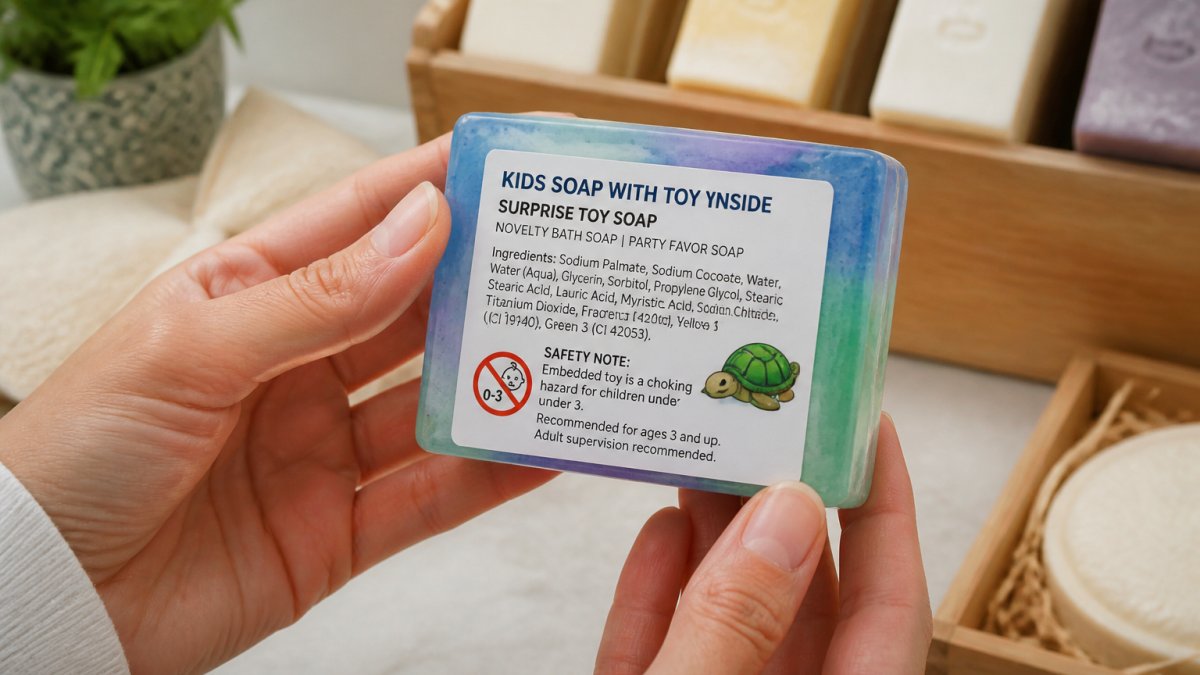
The best labels are transparent: every ingredient listed by full or INCI (International Nomenclature of Cosmetic Ingredients) name, with what it does and, when relevant, its concentration.
What to Look For in Truly Natural Soap
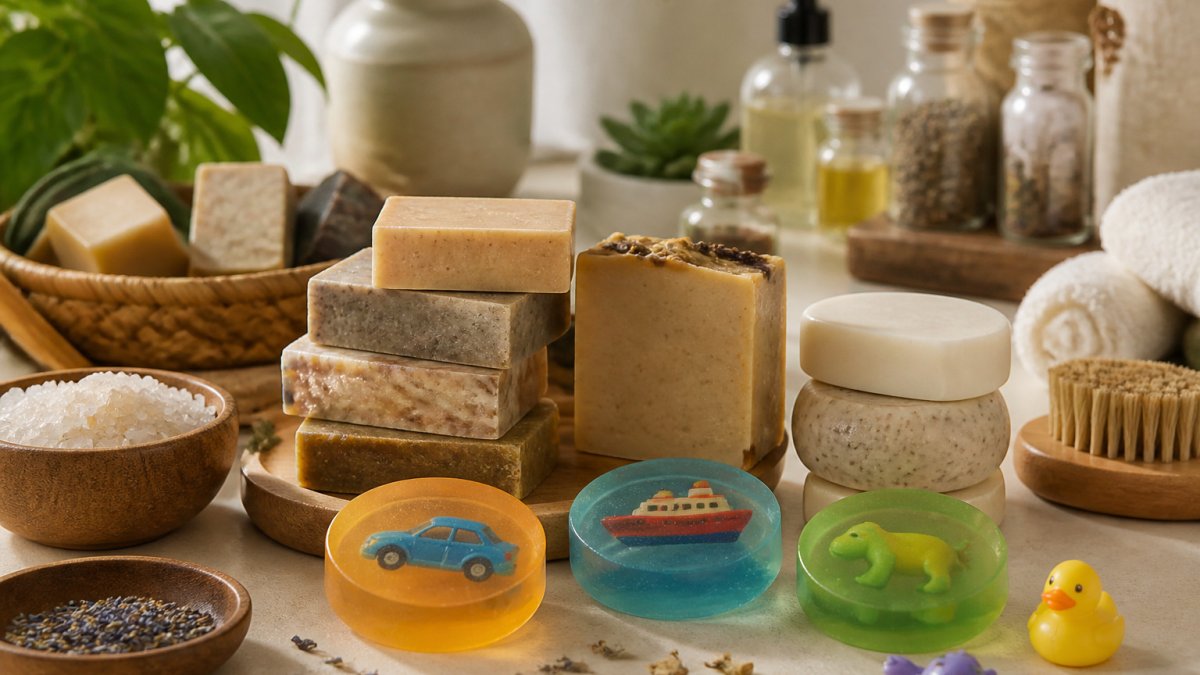
Natural soap starts with quality oils and ends with minimal processing. The best use extra virgin olive oil, shea butter, coconut oil, or jojoba oil, which nourish and cleanse without stripping.
A truly natural soap has a short, understandable ingredient list. Beyond base oils, look for additives that serve a purpose: essential oils for scent, clay or natural minerals for color, and gentle preservatives if needed.
Handmade artisan soaps from small makers often reflect this philosophy better than mass-produced bars. Artisan makers choose ingredients deliberately, can tell you why each is included, and are more likely to skip unnecessary additives.
At FORYOURSOAP.COM, we focus on handmade soaps crafted with intention, each bar made with care to genuinely support your skin.
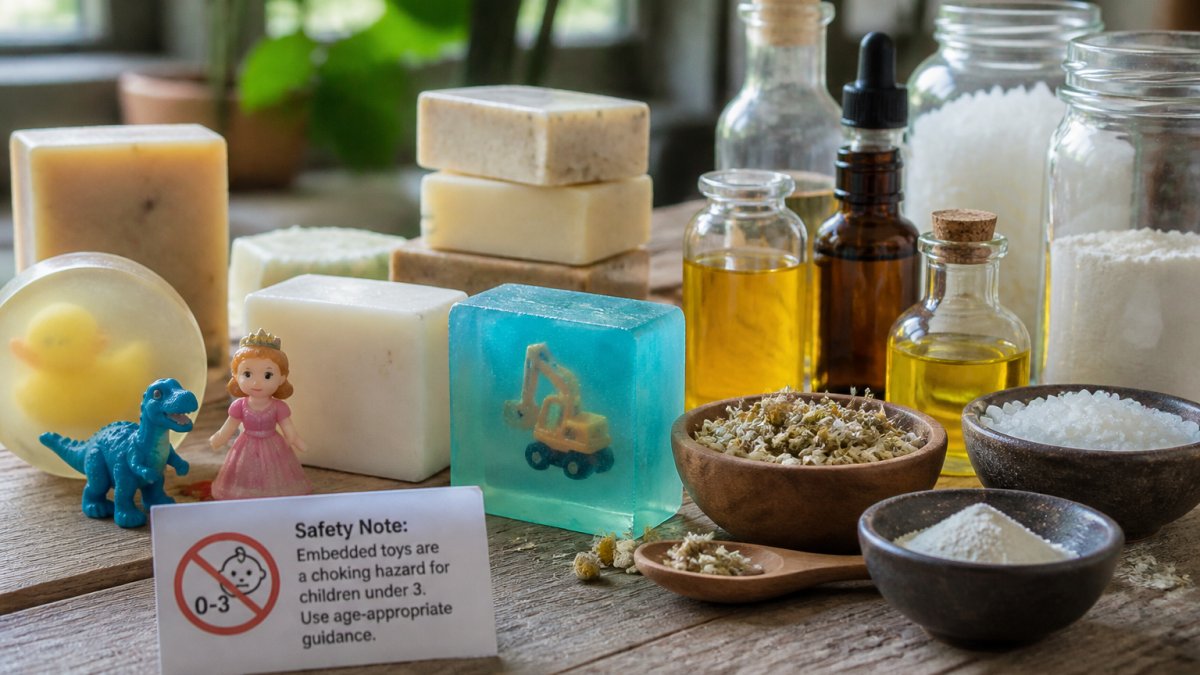
For those seeking natural options for their children, we also offer a kids' soap line featuring soaps with toys inside, a fun, engaging way to make bath time enjoyable. Our surprise toy soaps and novelty bath soaps are crafted with the same attention to natural ingredients as our adult line. Important safety note: Embedded toys in bath soaps are a choking hazard for children under 3 years old (Small Parts Ban and Choking Hazard Labeling).
Choosing the right soap means understanding what's in it and why certain ingredients matter. The ingredients you avoid are just as important as the ones you choose.
Frequently Asked Questions
What are the most harmful chemicals commonly found in commercial soap?
Sodium lauryl sulfate, synthetic fragrance blends, and preservatives like triclosan are among the most common irritants in mass-produced soaps. These ingredients strip the skin's natural oils and can trigger allergic reactions or contact dermatitis. Natural soaps avoid these harsh surfactants in favor of gentler cleansing agents derived from plant oils and fats.
Which soap ingredients should people with eczema avoid?
People with eczema should avoid synthetic fragrance, essential oils, preservatives, and harsh surfactants like sodium lauryl sulfate. These can exacerbate symptoms and irritate the compromised skin barrier. Fragrance-free soaps with minimal ingredients and gentle plant-based cleansing agents are typically recommended. Always patch test a new soap on a small area before full use.
Are essential oils in natural soap safe for everyone?
Essential oils can cause skin irritation, allergic reactions, or photosensitivity in some people, especially those with sensitive skin, eczema, or allergies. While natural, essential oils are concentrated plant compounds that may trigger contact dermatitis. People with fragrance sensitivity should choose unscented soaps made without essential oils. A patch test on the inner arm can help identify sensitivities before use.
How can you tell if a soap is truly natural and not just labeled that way?
Read the ingredient list carefully. True natural soaps list simple ingredients like plant oils, fats, lye (which converts to soap during saponification), and water. Avoid soaps with synthetic surfactants, artificial fragrance, or chemical preservatives. Look for terms like 'cold-processed' or 'saponified' oils. Be cautious of vague claims like 'made with natural ingredients', this doesn't mean all ingredients are natural.
What's the difference between fragrance-free and unscented soap?
Fragrance-free soap contains no added scent, whether natural or synthetic. Unscented soap may contain fragrance ingredients to mask the natural smell of soap but smells neutral to the user. For sensitive skin or eczema, fragrance-free is the safer choice. Both avoid synthetic fragrance blends, but fragrance-free offers the most minimal ingredient profile and lowest irritation risk.
Why is titanium dioxide used in soap, and should I avoid it?
Titanium dioxide is used as a whitening agent and opacifier in soap. While generally recognized as safe by the FDA for cosmetic use, some people with sensitive skin may experience irritation. It's not inherently toxic, but those with fragrance sensitivity or compromised skin barriers may prefer soaps without it. Check your skin's response through a patch test if you're concerned.
Are kids' soaps with toys inside safe for young children?
Kids' soaps with embedded toys can be fun bath-time additions, but toys pose a choking hazard for children under 3 years old. These soaps are best suited for children 3 and older who can safely use bath products without putting them in their mouths. Always supervise children during bath time and ensure toys are securely embedded and age-appropriate for your child.