 Ultimate guide
Natural Bath Products for Stress Relief: A 2026 Guide
Table of Contents
- Why Natural Bath Products Matter for Stress Relief
- Bath Salts for Relaxation: Magnesium and Mineral Therapy
- Essential Oils for Bath: Top Calming Scents
- Stress Relief Bath Soak Recipes and Rituals
- Relaxing Bath Ideas: Creating Your Spa Ritual
- Natural Ingredients That Reduce Tension
- Bath Products for Sensitive Skin and Safety Considerations
- Kids' Soaps with Toys: Safe Bath Time for Children
- Frequently Asked Questions
Last Updated: October 9, 2026
Why Natural Bath Products Matter for Stress Relief
Soaking in warm water infused with natural ingredients relaxes muscles, downregulates the nervous system, and signals through scent, warmth, and ritual that it's time to decompress.
At FORYOURSOAP.COM, natural bath products for stress relief do more than clean skin, they turn an ordinary shower into deliberate self-care.
Ingredients matter.
The ritual itself is therapeutic: setting aside time, dimming lights, and immersing yourself in warm water creates a psychological boundary between your stressful day and your recovery.
Bath Salts for Relaxation: Magnesium and Mineral Therapy
Bath salts are the foundation of any stress-relief soak, delivering measurable physical benefits through mineral absorption that bubble baths don't.
How Magnesium Sulfate Works
Magnesium sulfate, the active ingredient in most therapeutic bath salts, is absorbed through the skin during a soak.
Warm water enhances this: heat increases blood flow so muscles relax more completely, and a 20-minute soak can noticeably reduce muscle tightness and mental tension.
Not all bath salts are equal. Mineral soaks vary in magnesium concentration, purity, and additives; higher-quality salts contain fewer fillers and more mineral content, meaning more benefit per soak.
Choosing High-Quality Bath Salts
Look for salts labeled "magnesium sulfate" or "Epsom salt" with a short ingredient list: magnesium sulfate, sea salt, and perhaps a carrier oil if essential oils are included.
Avoid products listing "fragrance" as a primary ingredient, code for synthetic scent that defeats the purpose of choosing natural bath products for stress relief. Seek salts infused with specifically named essential oils (lavender, eucalyptus, chamomile).
Color can be a clue to quality. Natural bath salts are typically white or off-white. Heavily dyed products often contain synthetic colorants.
Essential Oils for Bath: Top Calming Scents
Essential oils transform a simple soak into aromatherapy. Inhaled molecules trigger olfactory pathways reaching the brain's limbic system, the region responsible for emotion and stress response, which is why scent can shift mood within seconds (Olfactory memory networks: from emotional learning to social behaviors).
Lavender, Chamomile, and Eucalyptus
Lavender is the most researched essential oil for stress relief. Its scent activates relaxation responses in the brain, and it's gentle enough for sensitive skin.
Chamomile works similarly with a warmer, more comforting profile, particularly effective before bed for deeper relaxation and better sleep.
Other effective oils include frankincense (grounding) and spearmint (clarifying). The best choice depends on what your body needs: energizing clarity or deep calm.
Using Essential Oils Safely in Water
Essential oils don't dissolve in water; they float, so pouring them directly into your bath leaves concentrated oil on your skin and can cause irritation.
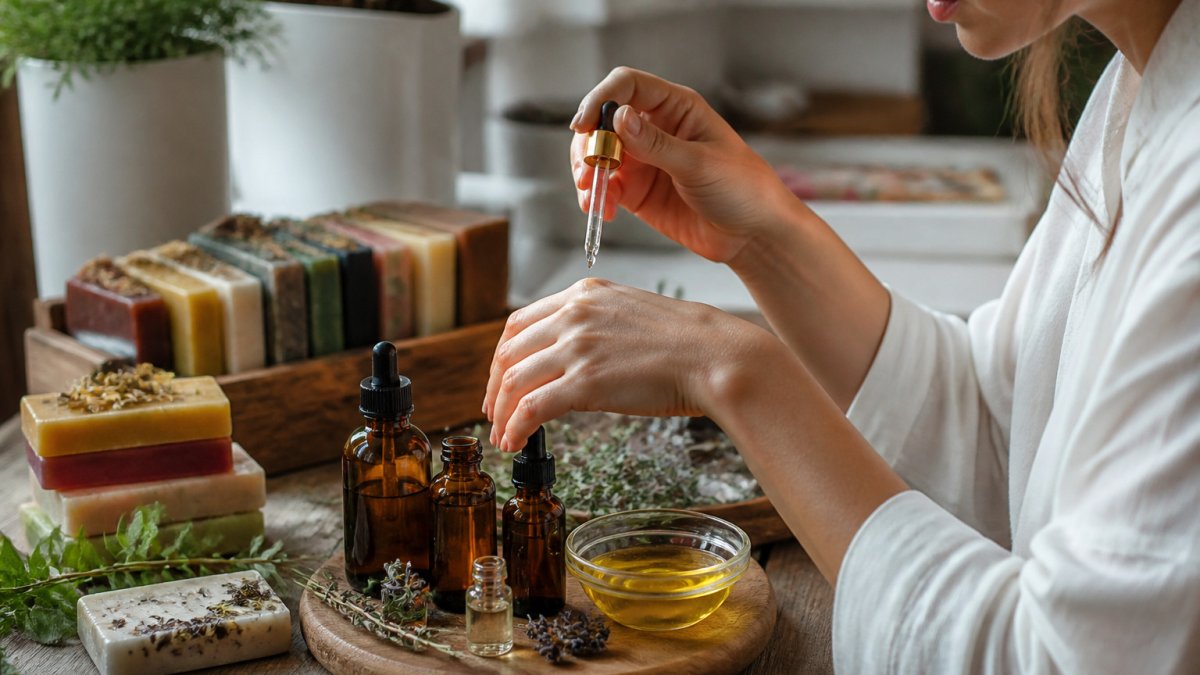
A simple formula: mix 5-10 drops of essential oil with 1 tablespoon of carrier oil, then add to your bath.
Never ingest essential oils, and keep them away from eyes and mucous membranes. If pregnant, nursing, or taking medications, check with your healthcare provider first, as some oils can interact with medications or affect pregnancy.
Stress Relief Bath Soak Recipes and Rituals
The most effective natural bath products for stress relief are ones you'll actually use. Complicated recipes with hard-to-find ingredients sit unused, so start simple.
Basic Soak Formula
The foundation of any therapeutic soak is straightforward:
- 1-2 cups of bath salts (magnesium sulfate or sea salt blend)
- 5-10 drops of essential oil diluted in 1 tablespoon of carrier oil
- Warm (not hot) water, around 98-105°F is ideal
Run your bath, add the salt mixture, stir to dissolve, then add the essential oil mixture. Soak 15-20 minutes for measurable stress relief.
Temperature matters: water that's too hot dehydrates skin and stresses your cardiovascular system, while warm water relaxes muscles without triggering a stress response.
Customizing Your Soak
Once you're comfortable with the basic formula, experiment with additions:
- For muscle tension: Add Epsom salts and eucalyptus or spearmint oil
- For sleep and deep relaxation: Use chamomile or lavender with a touch of frankincense
- For mental clarity: Combine peppermint and eucalyptus oils
- For sensitive skin: Use fewer drops of essential oil and add a tablespoon of coconut oil as an extra skin-soothing agent
You can also add dried botanicals, chamomile flowers, lavender buds, or rose petals, for visual appeal and therapeutic compounds. Place them in a muslin bag to avoid clogging your drain.
Relaxing Bath Ideas: Creating Your Spa Ritual
The ingredients matter, but the environment determines whether your soak becomes a genuine stress-relief practice or just another task.
Setting the Sensory Environment
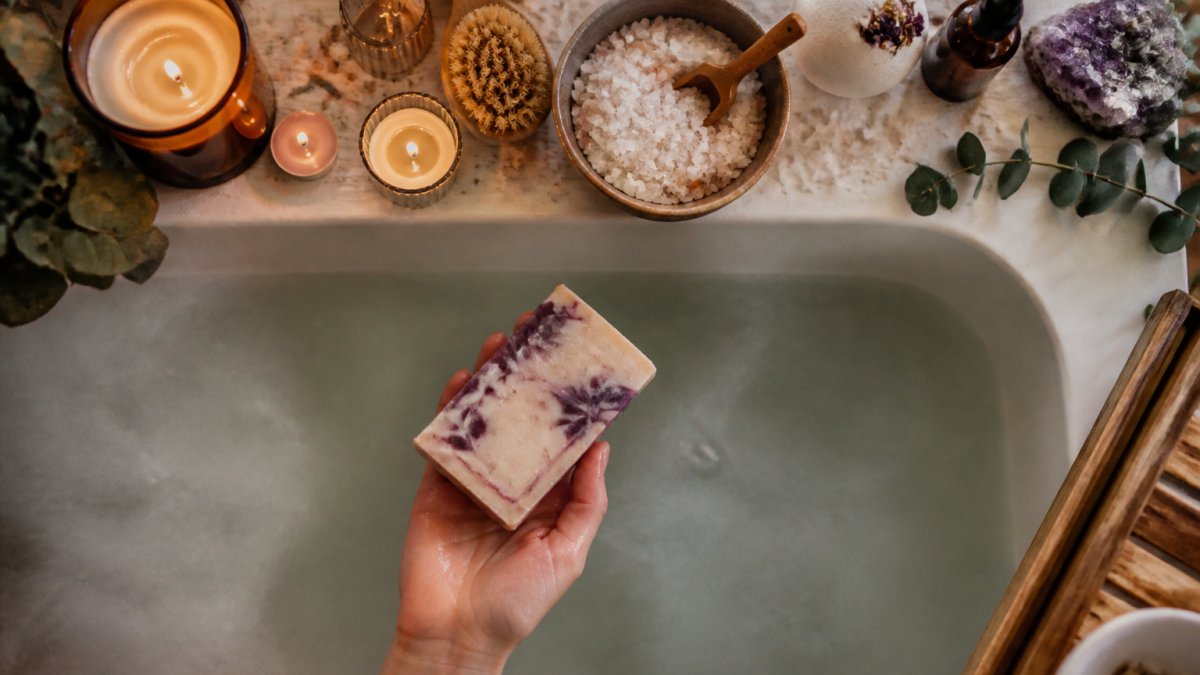
Dim the lights or use candles. Bright overhead lighting keeps your nervous system alert, while candlelight signals safety and calm.
A cool room (around 65-68°F) paired with warm bathwater creates a comfortable contrast. Your body naturally cools after a soak, triggering relaxation and sleep.
Sound is often overlooked. Silence is fine, but soft music or nature sounds (rainfall, ocean waves) deepen relaxation.
Remove your phone. Blue light and notifications keep your stress response engaged, and this 20 minutes is for you, not your inbox.
Timing and Frequency
The ideal soak lasts 15-20 minutes. Shorter soaks don't allow full muscle relaxation and mineral absorption; longer ones cause dehydration without added benefit.
Frequency depends on stress level and skin sensitivity. Most people benefit from 2-3 soaks weekly; very sensitive skin should start at once weekly and increase as it adapts.
The best time to soak is 1-2 hours before bed, since body temperature drops afterward and facilitates sleep. Morning soaks can energize, but evening soaks align with your natural wind-down cycle.
Natural Ingredients That Reduce Tension
Beyond salts and essential oils, several natural ingredients amplify stress relief.
Botanical Extracts and Carrier Oils
Lavender extract (not just the oil) promotes relaxation at multiple physiological levels.
Chamomile extract works similarly with a more grounding effect, particularly for nervous tension and racing thoughts.
Coconut oil adds hydration and a silky feel.
Jojoba oil mimics skin's natural oils and absorbs quickly without greasy residue, making it excellent for sensitive skin.
Rose petals or rose water add beauty and subtle aromatherapy. Rose has mild calming properties and makes your soak feel more ritualistic.
What to Avoid
Skip products with synthetic fragrances, parabens, or sulfates. These can irritate skin and trigger headaches, the opposite of stress relief.
Avoid heavily dyed products unless the dye is clearly labeled natural. Synthetic dyes offer no therapeutic benefit and may irritate sensitive skin.
Don't use children's bath products unless formulated for adult use; they prioritize fun over therapeutic benefit and may contain ingredients inappropriate for adult skin.
Be cautious with products claiming to "detoxify" through your skin.
Bath Products for Sensitive Skin and Safety Considerations
Not everyone can use heavily scented or ingredient-rich bath products. With sensitive or reactive skin, approach natural bath products for stress relief with care.
Fragrance-Free and Hypoallergenic Options
With sensitive skin, start with fragrance-free bath salts or plain Epsom salt. Add essential oils yourself in minimal amounts for precise control over what touches your skin.
Look for products labeled "hypoallergenic" and dermatologist-certified; these are tested for common irritants and less likely to trigger reactions.
With eczema or psoriasis, avoid fragrance entirely and stick to simple, minimal-ingredient formulas.
Medical Contraindications
Avoid hot baths with cardiovascular conditions, during pregnancy, or while taking medications that affect temperature regulation.
With open wounds, severe skin conditions, or infections, skip baths until skin heals; warm water and additives can spread infection or delay healing.
People with diabetes should be cautious with bath temperature, since reduced sensation in extremities can lead to accidental burns. Use a thermometer to verify safe water temperature.
Kids' Soaps with Toys: Safe Bath Time for Children
Bath time doesn't have to be stressful. Kids' soaps with toys inside turn washing into play, making children more willing to bathe, but safety comes first.
Age-Appropriate Toy Soaps
For ages 3-6, choose toy soaps with larger toys (1.5 inches or bigger), supervise closely, and teach children to remove the toy before washing with the soap.
For children 7 and up, toy soaps with smaller embedded toys are appropriate, as children have better oral motor control and judgment.
FORYOURSOAP.COM now offers a curated selection of kids' soaps with toys, designed with both fun and safety in mind.
Choking Hazard Safety and Supervision
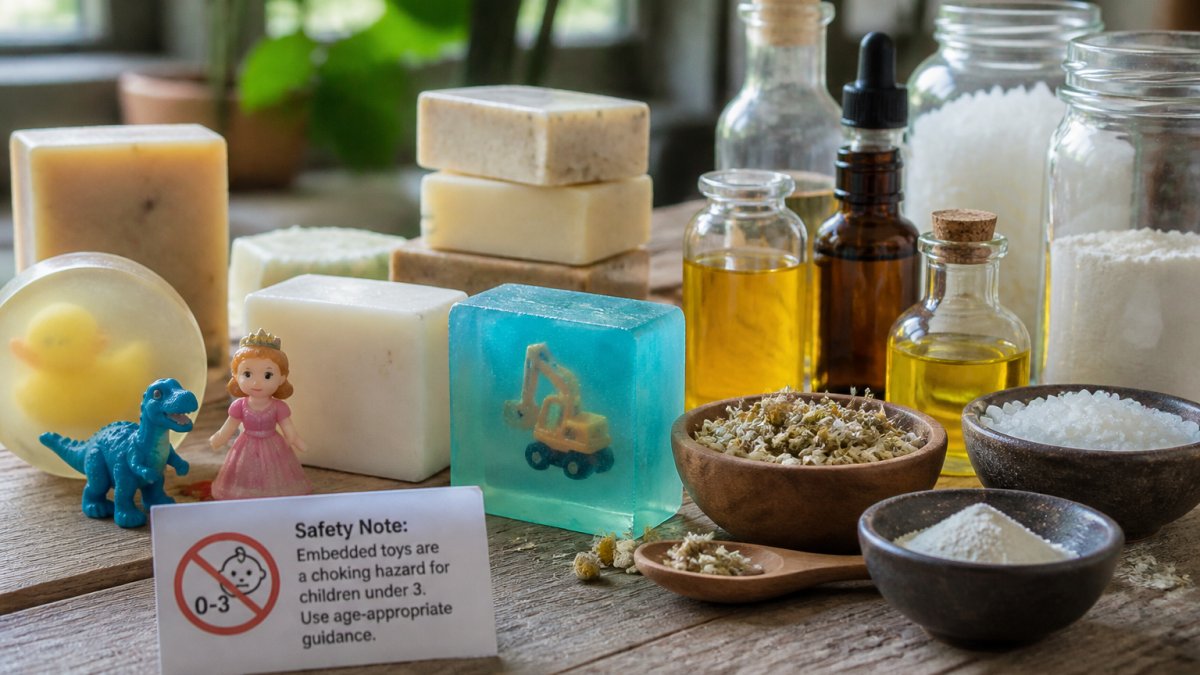
Critical safety note: Embedded toys in bath soaps are a choking hazard for children under 3.
For children 3 and older, supervision is non-negotiable.
If your child has a history of mouthing non-food items, wait until they're older before introducing toy soaps.
Party favor soaps with toys are popular gifts, but ensure the recipient's parents know the age recommendation and choking hazard.
Stress relief through natural bath products works best when you commit to the ritual.
At FORYOURSOAP.COM, we believe stress relief doesn't require expensive spa visits or complicated routines. Our handmade artisan soaps and specialty bath products bring that spa experience home.
Frequently Asked Questions
Do baths with natural products really relieve stress?
Yes. Warm water therapy increases blood flow and relaxes muscle tension, while natural ingredients like magnesium sulfate and essential oils activate the parasympathetic nervous system. The combination of sensory experience, aromatherapy, warm water, and tactile comfort, creates measurable stress reduction. However, results vary by individual; consistency and ritual matter as much as the products themselves.
Can I add essential oils directly to my bathwater?
Not safely. Essential oils don't dissolve in water; they float on the surface and can irritate skin. Instead, mix them with a carrier oil like coconut or jojoba oil before adding to your bath, or use bath products that have already incorporated essential oils properly. This prevents concentrated oils from contacting sensitive skin directly.
What makes natural bath products worth the investment compared to drugstore options?
Artisan natural bath products use organic ingredients, essential oils, and botanical extracts instead of synthetic fragrances and chemical preservatives. Handmade soaps retain natural glycerin and moisture, making them gentler on skin and longer-lasting. They also provide a sensory-rich experience, authentic aromatherapy and texture, that supports the psychological benefits of your self-care ritual, not just cleansing.
Are bath salts for relaxation safe for people with sensitive skin or eczema?
Bath salts can help relax muscle tension, but those with eczema or very sensitive skin should patch-test first and consult their dermatologist. Fragrance-free mineral soaks are safer than scented options. Limit soak time to 10-15 minutes, use lukewarm water, and follow up with a moisturizer immediately after. If you have open wounds or severe eczema, skip soaks altogether.
What essential oils are best for stress relief in a bath?
Lavender, chamomile, frankincense, and eucalyptus are the most effective for stress relief. Lavender reduces anxiety and promotes sleep; chamomile calms the nervous system; frankincense deepens breathing and mental clarity; eucalyptus eases physical tension. Use high-quality, pure essential oils mixed with a carrier oil, or choose bath products formulated with these botanicals to ensure safe, proper concentration.
How do I know if a natural bath product is actually natural and not greenwashing?
Check the full ingredient list for synthetic fragrances, parabens, sulfates, and artificial colorants. Real natural products list recognizable ingredients like plant oils, mineral salts, and essential oils. Artisan makers often provide sourcing information and avoid long lists of unpronounceable chemicals. Look for transparency about where ingredients come from and how the product is made.
Are kids' soaps with toys inside safe for young children?
Toy soaps are fun for children ages 3 and up with supervision. Embedded toys pose a choking hazard for children under 3 and should not be used with this age group. Always supervise bath time, ensure the toy is firmly embedded, and remove the toy immediately if it begins to separate from the soap. Choose age-appropriate products and follow manufacturer guidance.